Get a Free Quote

Contact Sales

Edit Template

Best SEO Strategies for Logistics and Transportation Companies

Best SEO Strategies for Logistics and Transportation Companies Logistix Marketing

Unlock the Full Potential of Your Business with Expert Insights

Introduction

In today’s competitive logistics industry, being the best isn’t enough — your potential clients need to find you first.

Whether you operate a 3PL warehouse, manage a freight brokerage, or run a transportation fleet, ranking on Google is essential for generating consistent, high-quality leads.

The right SEO strategy transforms your website from a static brochure into a 24/7 lead-generation system. At Logistix Marketing, we specialize in helping logistics and transportation companies build visibility, attract qualified buyers, and stay ahead of competitors.

Here’s how to make SEO your strongest growth engine in 2025.

1. Start with Keyword Research That Reflects Buyer Intent

Every successful SEO strategy starts with knowing what your customers actually search for.

Service + Location Keywords

Combine your services with the locations you serve:

  • “Freight broker in Chicago”
  • “3PL warehousing in Florida”
  • “Refrigerated transport company Texas”

These searches come from users ready to buy or request a quote.

Industry-Specific Keywords

If you serve certain verticals, target them directly:

  • “Logistics for food distributors”
  • “Transportation for pharmaceutical companies”

Informational Keywords

Capture early-stage interest by targeting educational searches:

  • “How to choose a 3PL company”
  • “Best freight tracking software 2025”

Use keyword tools such as Ahrefs, Semrush, or Google Keyword Planner to prioritize terms with solid volume and realistic competition.

2. Optimize Your Website for SEO and Conversions

Your website should be both technically sound and designed to convert visitors into leads.

Site Speed and Mobile Optimization

  • Aim for a load time under 2.5 seconds.
  • Ensure full mobile responsiveness.
  • Compress images and implement caching.

Google rewards fast, user-friendly sites, and visitors are more likely to request a quote when your pages load quickly.

On-Page SEO Essentials

Each key page should have:

  • A clear, keyword-rich title tag and meta description.
  • Logical use of headings (H1, H2, H3).
  • Alt text describing your visuals and services.
  • Internal links pointing to related service pages and blogs.

Conversion-Focused Design

Include Request a Quote, Contact Us, or Get a Free Audit buttons on every page.

Add contact info and forms above the fold for easy access.

3. Strengthen Your Local SEO

Local SEO is crucial for logistics companies that serve specific regions or operate physical facilities.

Google Business Profile

Create or claim your Google Business Profile (GBP) and complete every section:

  • Use your legal business name and select the right category (e.g., “Logistics Service”).
  • Upload real photos of your fleet, warehouse, and team.
  • Post weekly updates about services, company milestones, or local partnerships.

NAP Consistency

Your Name, Address, and Phone number must appear exactly the same across your website, GBP, and directories. Consistency builds Google’s trust and boosts rankings.

Local Citations

List your business on relevant sites:

  • Yelp
  • BBB
  • Angi
  • Manta
  • Local Chambers of Commerce
  • FreightWaves Directory

This helps Google confirm that your business is legitimate and active in your area.

4. Build Authoritative Backlinks

Backlinks remain one of the most important ranking signals for SEO success.

Industry Directories

Register with logistics and transportation associations such as:

  • TIA (Transportation Intermediaries Association)
  • ATA (American Trucking Associations)
  • FreightWaves Directory

Partnerships

Ask partners, suppliers, or clients to link back to your website from theirs. Even a simple “trusted vendor” link can make a difference.

Guest Posts and Publications

Write thought-leadership articles for logistics blogs or magazines. Example ideas:

  • “The Future of 3PL in the Age of AI”
  • “Reducing Supply Chain Delays Through Predictive Analytics”

Relevant backlinks build authority faster than random or generic links ever could.

5. Create High-Value Content That Attracts and Converts

Content is what transforms cold visitors into warm leads.

Case Studies

Demonstrate your expertise with real-world examples:

“How We Helped a Retail Client Cut Delivery Times by 20 %”

Include before-and-after metrics, visuals, and client testimonials.

Educational Blogs

Publish guides that answer questions your audience is searching for, such as:

  • How Logistics Companies Can Get More Clients Online
  • SEO vs. PPC for Transportation Companies
  • What Makes a Logistics Website Convert Better

Every post should link back to your main service pages and include a strong call to action.

Visual Content

Add infographics, service diagrams, and short videos. Visual content increases engagement and shareability, which indirectly improves your rankings.

6. Track and Automate Your SEO Performance

SEO without tracking is guesswork. You need data to measure what works.

Analytics

Install Google Analytics 4 and monitor:

  • Organic traffic growth
  • Conversion rates per page
  • Top-performing blog content

CRM Integration

Sync your website leads with your CRM (like HubSpot, Zoho, or Pipedrive) to track how organic leads move through your sales funnel.

Automation

Use automated email sequences to follow up with prospects:

  • Send a welcome message after a form submission.
  • Share case studies or testimonials a few days later.
  • Offer a free consultation after one week of engagement.

Automation saves time and keeps your lead nurturing consistent.

7. Avoid Common SEO Mistakes in Logistics

Many logistics firms lose visibility due to avoidable errors.

Avoid:

  • Ignoring broken links or slow loading pages.
  • Duplicating the same content for multiple cities.
  • Buying cheap backlinks that harm your domain authority.
  • Using only branded keywords instead of targeting services and locations.

Focus on sustainable, white-hat SEO practices that compound results over time.

8. The Future of Logistics SEO (2025 and Beyond)

The SEO landscape is changing rapidly, and logistics companies must stay ahead.

  • AI-Driven Search Optimization: Search engines prioritize context and user intent over simple keywords.
  • Voice Search: Optimize for phrases like “best freight broker near me.”
  • Video SEO: YouTube results increasingly dominate transport-related queries.
  • Sustainability Content: Highlight your green initiatives — it improves both trust and ranking potential.

Staying agile and innovative in your SEO approach ensures you remain visible in the years ahead.

Conclusion

SEO is no longer optional for logistics and transportation companies — it’s the foundation for growth.

When your website ranks high on Google for your core services, it means more quote requests, more clients, and stronger brand credibility.

If you want to build a predictable flow of online leads and improve your visibility, our team at Logistix Marketing is ready to help.

Request a Free SEO Audit today and get a 90-day action plan tailored to your logistics company.

📧 info@logistixmarketing.com

🌐 www.logistixmarketing.com

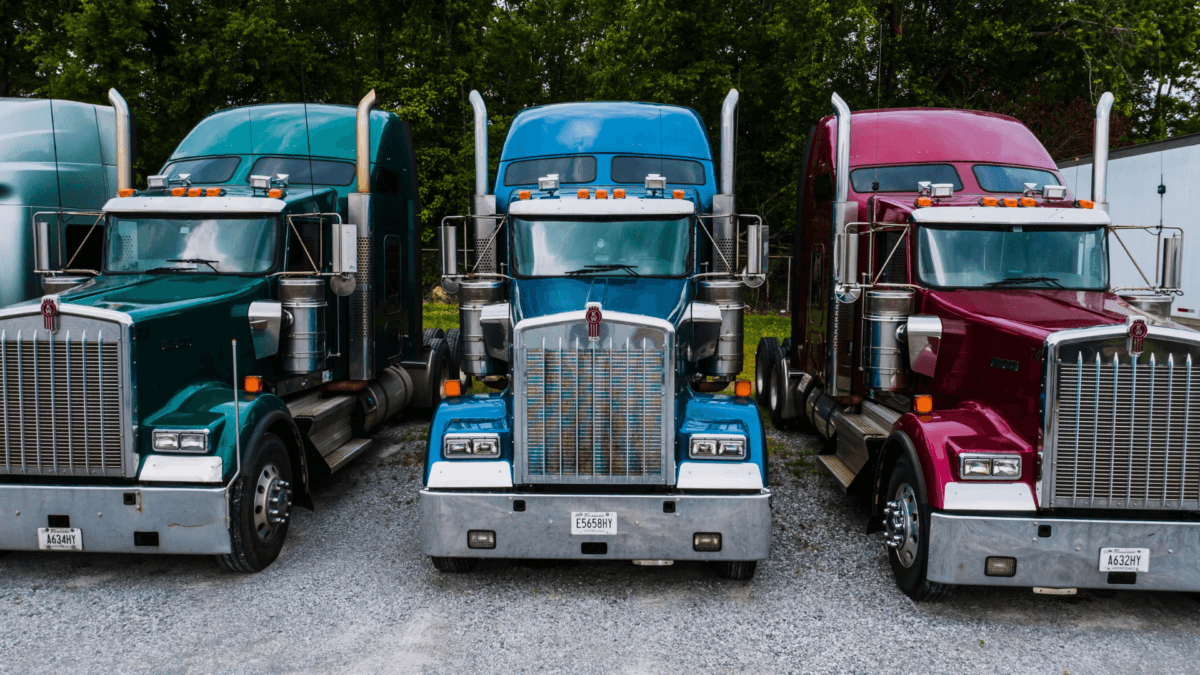
Logistics truck entering distribution center for nationwide delivery

Get a Free SEO & Marketing Report

Our experts will guide you through a personalized marketing strategy session tailored to your business needs. Whether you’re looking for SEO improvements, high-ROI PPC campaigns, or lead generation strategies, we’re here to help!