Get a Free Quote

Contact Sales

Edit Template

How Logistics Companies Can Get More Clients Online

How Logistics Companies Can Get More Clients Online Logistix Marketing

Unlock the Full Potential of Your Business with Expert Insights

The logistics industry is changing faster than ever. From freight brokers and carriers to warehouse operators and 3PL providers, competition is becoming digital.

If your company still relies only on referrals and word of mouth, you’re missing a massive opportunity.

Today, 90% of B2B buyers research potential logistics partners online before they ever pick up the phone. That means your website, visibility, and marketing strategy can determine whether you grow — or get left behind.

This guide will show you how logistics companies can attract more clients online using modern marketing strategies built for the transportation world.

1. Strengthen Your Online Presence (Your Website Is Your Salesperson)

Your website is the first impression you make on shippers and brokers. If it’s slow, outdated, or unclear, potential clients move on within seconds.

What every logistics website should include:

  • A clean, modern design that loads in under 3 seconds.
  • Clear value proposition: who you serve, what you move, and why choose you.
  • A service page for each offering (freight, warehousing, 3PL, dispatching, etc.).
  • A “Request a Quote” or “Book a Demo” button above the fold.
  • Testimonials and case studies with real company names.

💡 Pro tip: Add live chat or WhatsApp integration so brokers and carriers can reach you instantly — response speed increases conversion rates by up to 70%.

2. Use SEO to Rank for High-Intent Keywords

Search Engine Optimization (SEO) is what helps your company appear when people search things like:

  • “freight broker marketing agency”
  • “logistics companies near me”
  • “3PL marketing strategy”

Steps to optimize your logistics website:

  1. Research industry-specific keywords using tools like Google Keyword Planner or Ahrefs.
  2. Optimize title tags, meta descriptions, and headers with those keywords.
  3. Add location modifiers (e.g., “logistics marketing agency in Texas”).
  4. Build internal links between your blogs and service pages.
  5. Publish fresh content monthly about logistics trends and solutions.

Google rewards consistency and authority — the more relevant content you publish, the higher your site ranks.

3. Get Found on Google Maps and Local Directories

Many logistics deals start locally.

Being listed on Google Business Profile, Yelp, Manta, or Transport Topics directories makes your company easier to find.

Checklist for local visibility:

  • Verify your Google Business Profile with the correct address.
  • Upload high-resolution photos of your trucks, team, or facility.
  • Add business hours and a call-to-action (like “Request a Quote”).
  • Encourage satisfied clients to leave reviews regularly.

💬 Each positive review signals trust to Google — and to potential customers deciding between you and a competitor.

4. Run Smart Google Ads Campaigns (PPC)

SEO takes time, but Pay-Per-Click (PPC) gives you instant results.

By targeting logistics-specific keywords, you can appear at the top of Google search results today.

Example ad strategy:

  • Campaign 1: “Freight Broker Marketing Services” → target brokers and dispatchers.
  • Campaign 2: “3PL Marketing Strategy” → target warehousing and fulfillment companies.
  • Campaign 3: “Transport SEO Agency” → target carriers and transport firms.

Start small (e.g., $25/day) and optimize weekly.

At Logistix Marketing, we use A/B testing to find the highest-converting headlines and landing pages — lowering cost per lead over time.

5. Leverage LinkedIn for B2B Lead Generation

For logistics and freight, LinkedIn is where the decision-makers are.

You can connect directly with operations managers, logistics coordinators, and transportation CEOs.

Practical LinkedIn strategy:

  • Optimize your personal and company profiles with industry keywords.
  • Post weekly insights about trends (e.g., freight rates, automation, supply chain AI).
  • Use LinkedIn Sales Navigator to target specific roles or regions.
  • Send personalized messages — not templates — to potential clients.

Consistency builds relationships. Over time, your LinkedIn presence becomes a trusted lead source.

6. Create Educational Content That Builds Authority

Most logistics clients don’t just want a vendor — they want a partner who understands their business.

Content marketing shows your expertise and keeps your brand top-of-mind.

Content ideas for logistics companies:

  • Blog: “How to Choose the Right Freight Partner in 2025”
  • Blog: “Top 5 Marketing Mistakes Logistics Companies Make”
  • Video: “Behind the Scenes: How Our Dispatch Team Operates”
  • Guide: “The Complete 3PL Marketing Playbook”

Share these across LinkedIn, newsletters, and your blog. Google values long-form, useful content — and prospects value education before sales.

7. Automate and Track Your Marketing Results

To grow efficiently, you need data.

Use CRM and analytics tools to track where leads come from and what converts best.

Key tools for logistics marketing:

  • HubSpot / Pipedrive: for managing leads and email follow-ups.
  • Google Analytics + Search Console: to monitor traffic and keywords.
  • CallRail: to track calls from ads and landing pages.
  • Mailchimp / ActiveCampaign: for automated email campaigns.

Tracking conversions is essential — if you don’t measure, you can’t improve.

8. Combine SEO + PPC + Social for Maximum Impact

The most successful logistics brands don’t rely on one channel.

They integrate SEO for visibility, PPC for quick leads, and social media for trust.

Example flow:

  1. A company sees your ad on Google.
  2. They visit your website and follow you on LinkedIn.
  3. They read your blog and download a free guide.
  4. Your email automation nurtures them until they request a quote.

That’s the power of a connected strategy — it turns cold prospects into loyal clients.

Conclusion: Growth Comes from Strategy, Not Luck

The logistics market is getting more digital every day.

If your business isn’t showing up online, it’s invisible to the very clients you want to reach.

At Logistix Marketing, we help logistics and transportation companies scale by building customized SEO, PPC, and automation systems that generate real, trackable leads — not just traffic.

🚀 Ready to grow your logistics business?

Request your free marketing audit today at www.LogistixMarketing.com

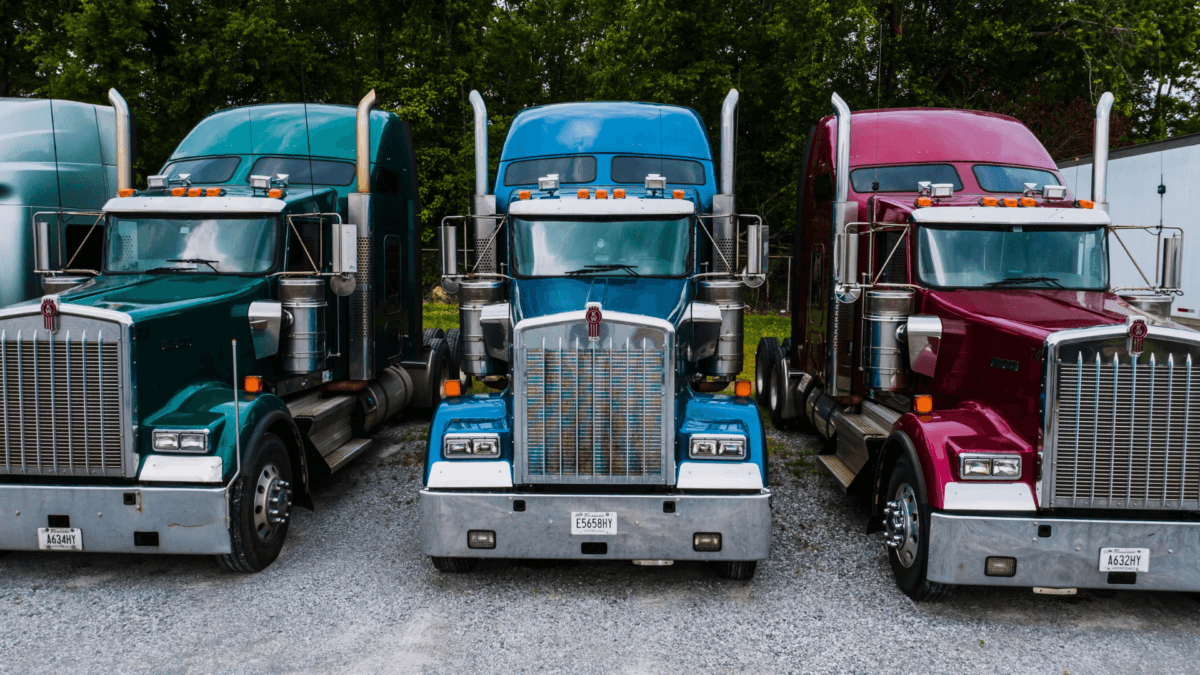
Logistics truck entering distribution center for nationwide delivery

Get a Free SEO & Marketing Report

Our experts will guide you through a personalized marketing strategy session tailored to your business needs. Whether you’re looking for SEO improvements, high-ROI PPC campaigns, or lead generation strategies, we’re here to help!